Live testing Comica's cheap mics
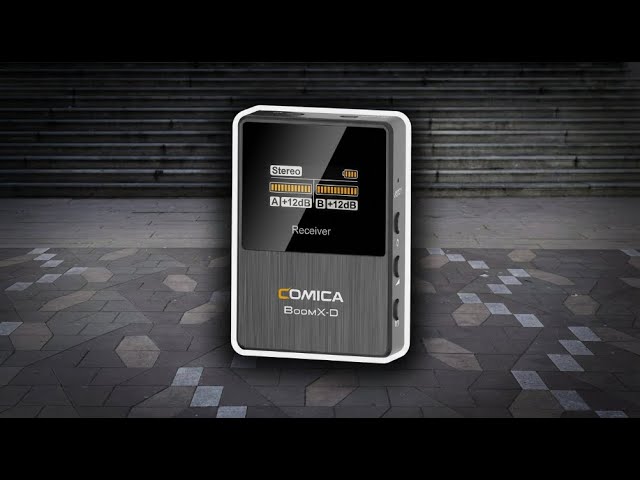
There is a long-standing assumption in video production that cheap microphones cannot deliver usable results. The belief is that if you want good audio, you need to spend serious money.
I wanted to test that assumption in a real-world setting, not in a studio, not reading a polished script, and not with ideal conditions. The goal was simple, see what budget microphones actually sound like when people speak naturally.
How the Test Was Set Up
Instead of focusing on specs, I focused on use.
These microphones were tested with real people, real voices, and real conversations. No heavy processing. No studio treatment. No attempts to “save” bad audio in post.
The test included different speaking styles, volumes, accents, and delivery speeds. Some speakers were confident. Others were not. That variation matters more than frequency charts.
What I Was Listening For
I was not expecting these microphones to compete with professional broadcast gear. The bar was much simpler.
I wanted to know:
- Is the voice clear and intelligible?
- Does the microphone handle changes in volume without falling apart?
- Does it introduce distracting artifacts that pull focus from the speaker?
- Does it sound natural enough that the listener forgets about the mic?
If a microphone can pass those tests, it is usable.
The Results
The biggest surprise was consistency.
Across different speakers, the microphones held onto clarity better than expected. Speech remained understandable, even when delivery was uneven or quiet. The tone was not perfectly balanced, but it was far from thin or harsh.
There was no major distortion, no obvious clipping, and no severe noise issues that would make the audio unusable. For microphones at this price point, that is significant.
In other words, these microphones did not get in the way of the message.
Limitations You Should Expect
These are still budget microphones, and that shows in a few areas.
They are less forgiving in noisy environments. They do not isolate voices as well as higher-end options. Subtle details in tone and texture are not as refined.
Build quality is also something to consider. You should not expect the same durability or long-term reliability as more expensive microphones.
None of that is surprising. It is also not a dealbreaker for most creators.
Who These Microphones Are For
These microphones make sense for:
- New creators who need usable audio without a large upfront cost
- Run-and-gun shooters who value simplicity over perfection
- Backup or secondary audio setups
- Situations where clarity matters more than polish
They are not ideal for controlled studio work or high-end commercial production, but they are far more capable than their price suggests.
Final Thoughts
This test reinforced a simple truth.
Modern budget microphones are no longer the weak link they used to be. While they will not replace professional gear, they are more than good enough to capture clear, natural speech in real-world conditions.
If your goal is to be heard clearly and consistently, you do not need to overthink it. The right cheap microphone can do the job, and in many cases, it already does.