To buy or not to buy?
Is Expensive Gear Actually Worth It? A Practical Breakdown
You have probably heard the phrase “gear doesn’t matter” more times than you can count. On the surface, it sounds encouraging. Underneath, it often feels dismissive, especially when it comes from people who already own every tool they need.
The truth sits somewhere in the middle.
Gear does matter, but not all gear matters, and not all the time. This list breaks down when expensive gear is worth it, when it is not, and how to think about gear choices without falling into the usual traps.
1. Gear Matters When It Unlocks a Specific Shot
There are shots you simply cannot get without the right equipment.
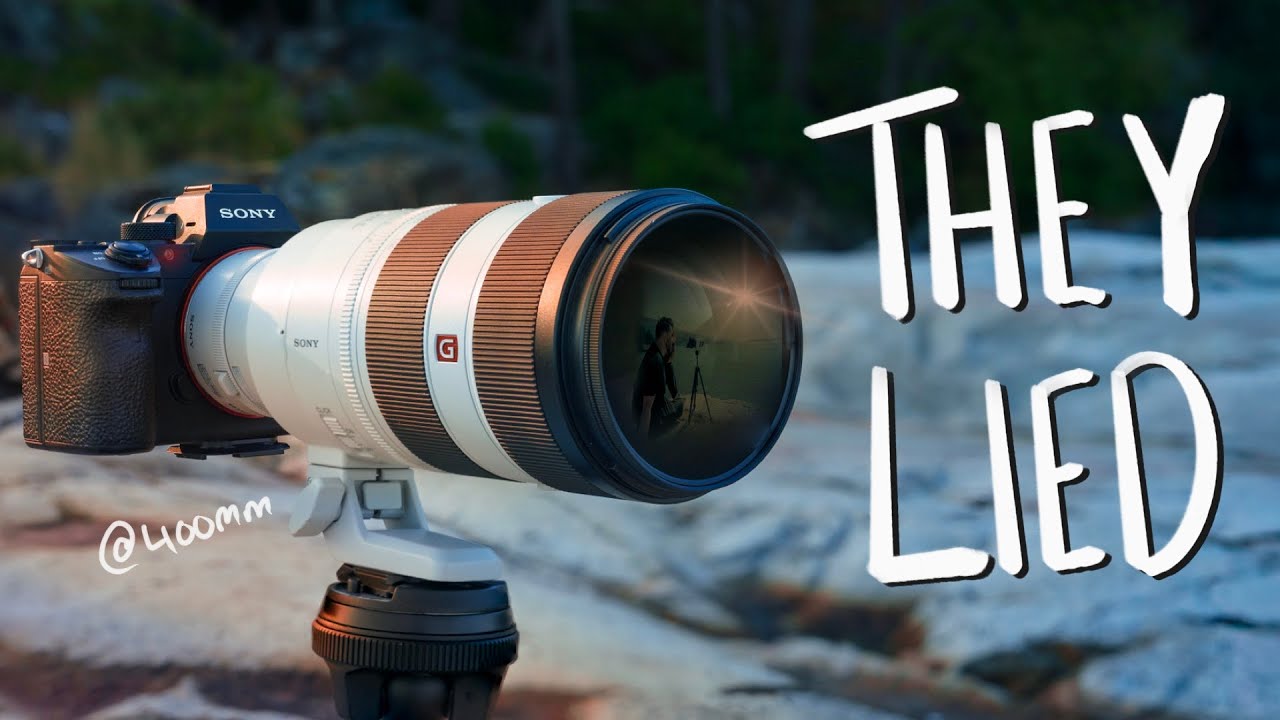
A kit lens might be fine for learning, but there are situations where it will never deliver the result you want, no matter how skilled you are. Long-distance compression, low-light sports, fast action, or extreme perspectives all demand specific tools.
When a piece of gear allows you to capture an image or video that was previously impossible, it matters.
2. Gear Does Not Matter When You Are Still Figuring Out What You Like
If you are early in your creative journey, your biggest limitation is not your gear. It is clarity.
Until you know what you enjoy shooting, what stories you want to tell, and what environments you work in, expensive upgrades often solve the wrong problems. You end up buying tools before you understand why you need them.
At this stage, learning beats upgrading.
3. Intentional Gear Choices Matter More Than Expensive Ones
The best gear decisions are made backwards.
Start with the result you want. Then work out what tools are required to get there. Sometimes that means renting. Sometimes it means rigging something temporarily. Sometimes it means buying the expensive option because nothing else will do.
Buying gear without a clear purpose is where frustration starts.
4. Expensive Gear Matters More in Difficult Environments
Challenging conditions expose cheap gear fast.
Poor lighting, limited access, fast movement, distance, and unpredictable situations all demand tools that can keep up. This is where better lenses, faster apertures, and reliable autofocus systems earn their cost.
If your work consistently puts you in these environments, spending more is often justified.
5. Gear Shapes Style and Consistency
Gear does not just affect what you can shoot. It affects how your work feels.
Smooth camera movement requires stabilization. Controlled, soft lighting requires proper lights and diffusion. Consistent results require tools that work the same way every time.
DIY solutions can work, but they often cost time, energy, and repeatability. At a certain point, buying the right tool simplifies the process.
6. Gear Can Save Time, Not Just Improve Quality
Time matters.
Reliable gear reduces setup time, troubleshooting, and post-production fixes. When something works predictably, you spend less time fighting your tools and more time creating.
For professionals, time savings often justify the price more than image quality alone.
7. Gear Becomes a Problem When You Try to Buy Confidence
This is where things go wrong.
Upgrading gear will not fix unclear ideas, weak storytelling, or lack of practice. Buying new equipment to escape creative discomfort leads to constant dissatisfaction.
If you believe your work is bad because your gear is one generation old, that is not a gear problem. That is marketing doing its job.
8. Not All New Features Actually Matter
Many upgrades exist to create urgency, not value.
Small spec bumps, cosmetic changes, and niche features are often framed as essential when they are not. If a feature does not directly support how you shoot, it is noise.
The best gear upgrades feel boring but useful.
9. Motivation Is a Real but Temporary Benefit
Sometimes new gear does motivate you to go shoot. That is real.
The problem is relying on that feeling. Motivation fades. Skill, clarity, and habit last.
If a purchase gets you out the door, great. Just do not confuse momentum with progress.
10. The Right Gear Makes Things Easier, Not Possible
This is the balance point.
You can create with almost anything. You do not need permission from your tools. But when you know what you want to make, the right gear removes friction, saves time, and helps you execute consistently.
That is where gear actually earns its place.
Final Thoughts
Expensive gear is not a shortcut, but it is not meaningless either.
The question is never “does gear matter?” The real question is “does this gear solve a specific problem I actually have?”
Answer that honestly, and your gear choices get simpler, cheaper, and far less stressful.